
Notes from the field on work design in the AI era
Editorial writing by Nihonbashi AI Lab on AI-driven development tools like Lovable, moving business onto the web, and putting AI to work.
 Featured
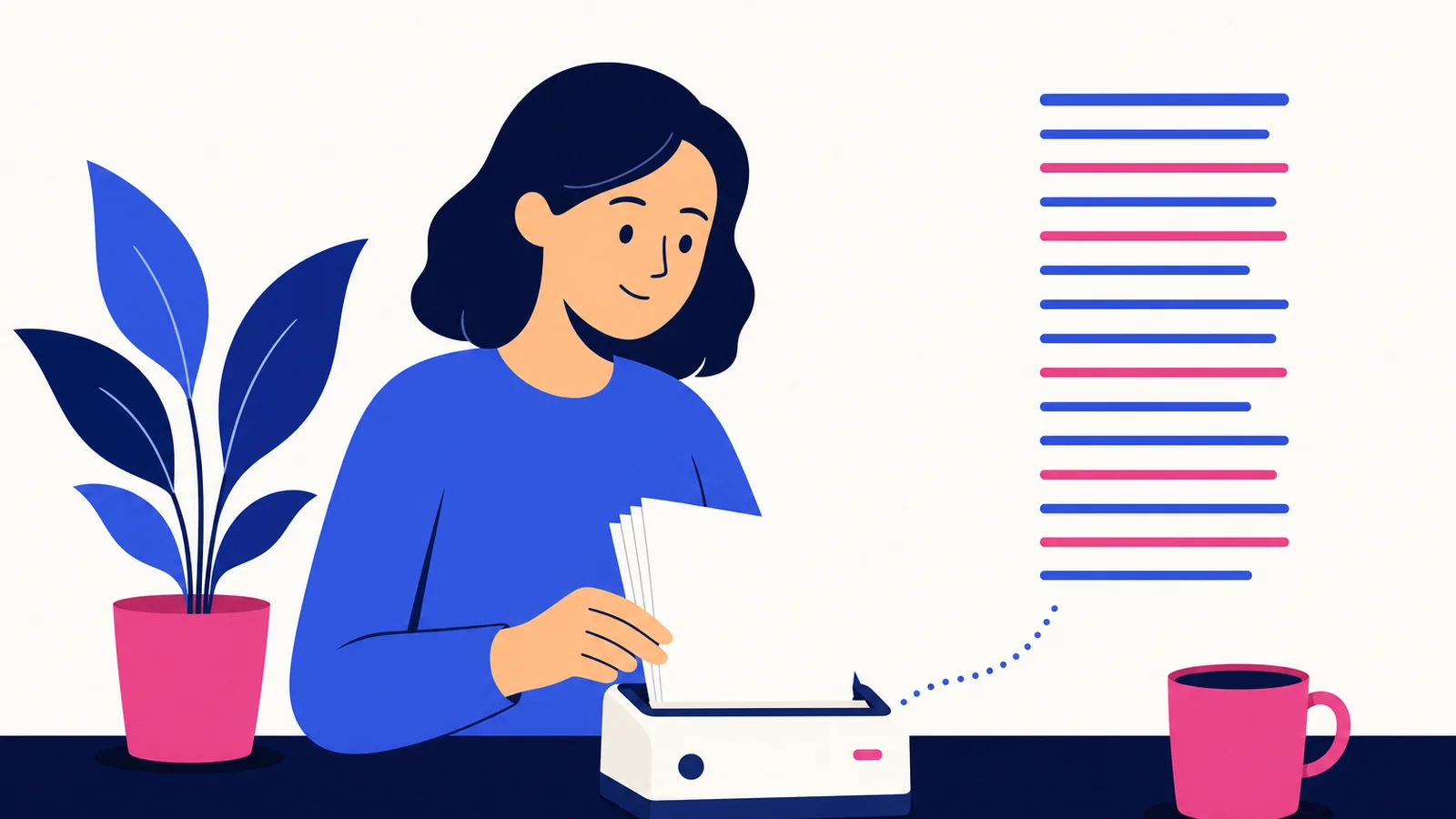
The best value in OCR wasn't the smartest model
We compared several Gemini models for OCR, varying both the model and how much it thinks. The best balance of accuracy and cost was not the most capable model — it was a lightweight one, Gemini 3.5 Flash-Lite, at a medium thinking level. A record of what we measured and found, on one book under specific conditions.
Read the article
You built the app with AI — a restaurant map for shipping and running it
With Claude Code or Codex, you can now get a web app working end to end. Then someone says "deploy it," or "set the environment variables," and you freeze. Server, database, hosting, deploy — this piece maps those scattered terms onto one restaurant, front door to back. By the end you have one map for putting an app live and keeping it running.

Why your AI's knowledge never compounds
Plenty of companies want to hand their own knowledge to AI. But even companies with advanced setups — letting AI write into an Obsidian vault and search it with RAG — report that it never seems to grow. The people furthest ahead hit the wall first. The dividing line is whether the system stores information or consolidates it. If you are about to give AI your knowledge, here is the trap to know about before you start.
When AI reviews AI — the review we used to paste by hand
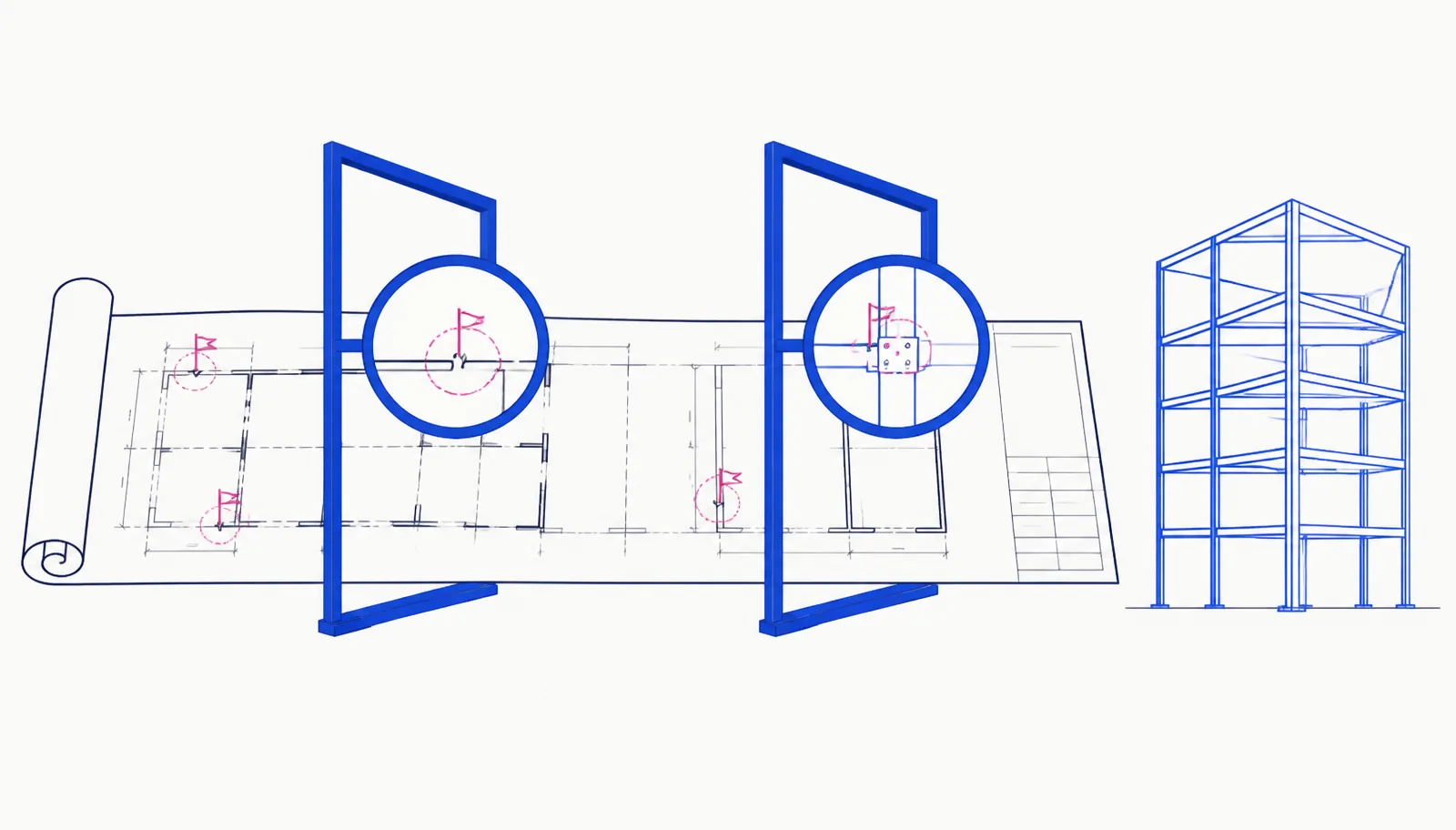
AI-driven development made building fast. But building fast and keeping quality high are two different problems. We used to paste reviews into ChatGPT by hand; now, with Codex CLI, one AI hands the review to another on its own, and the loop from planning to implementation runs without anyone relaying it back and forth. At the design stage — before any code was written — this caught gaps that a plain-text search and type-checking never surface. A first-hand account as of July 2026.

Don't bet on the ASI timeline — capability can be bought, the foundation can't
Superintelligence (ASI) has become the industry's watchword over the past year. Labs have renamed themselves around it, and capital and talent are pouring in on a scale of hundreds of billions of dollars. Yet "when will it arrive" is a question both optimists and skeptics keep getting wrong. Rather than bet on the prophecy, read every such claim as part of the race for funding and talent — and build, now, the foundation that pays off however far capability climbs. Here, we turn the news into a decision you can act on.
Going multilingual in the AI era isn’t translation
Machine translation has gotten good. Yet to a native reader, the English still feels a little off. The cause isn’t accuracy — it’s approach. Here is how Nihonbashi AI Lab took its own site into English by writing from scratch (transcreation) rather than translating, and how we built the operations around it.

AGI is not the goal — DeepMind’s path to superintelligence (ASI)
Google DeepMind’s report “From AGI to ASI” maps the road beyond human-level general AI (AGI) to superintelligence (ASI): four routes, the frictions that impede them, and preparation at the scale of humanity. Here is the throughline executives should take from it.

The official Lovable–Claude integration: what shifts at the boundary of AI-driven development
Anthropic has announced native integration with Lovable. Here is what a full day of hands-on testing showed, and the implications we have seen in our own operations at Nihonbashi AI Lab.
In the AI era, improving how you work isn’t about faster slides
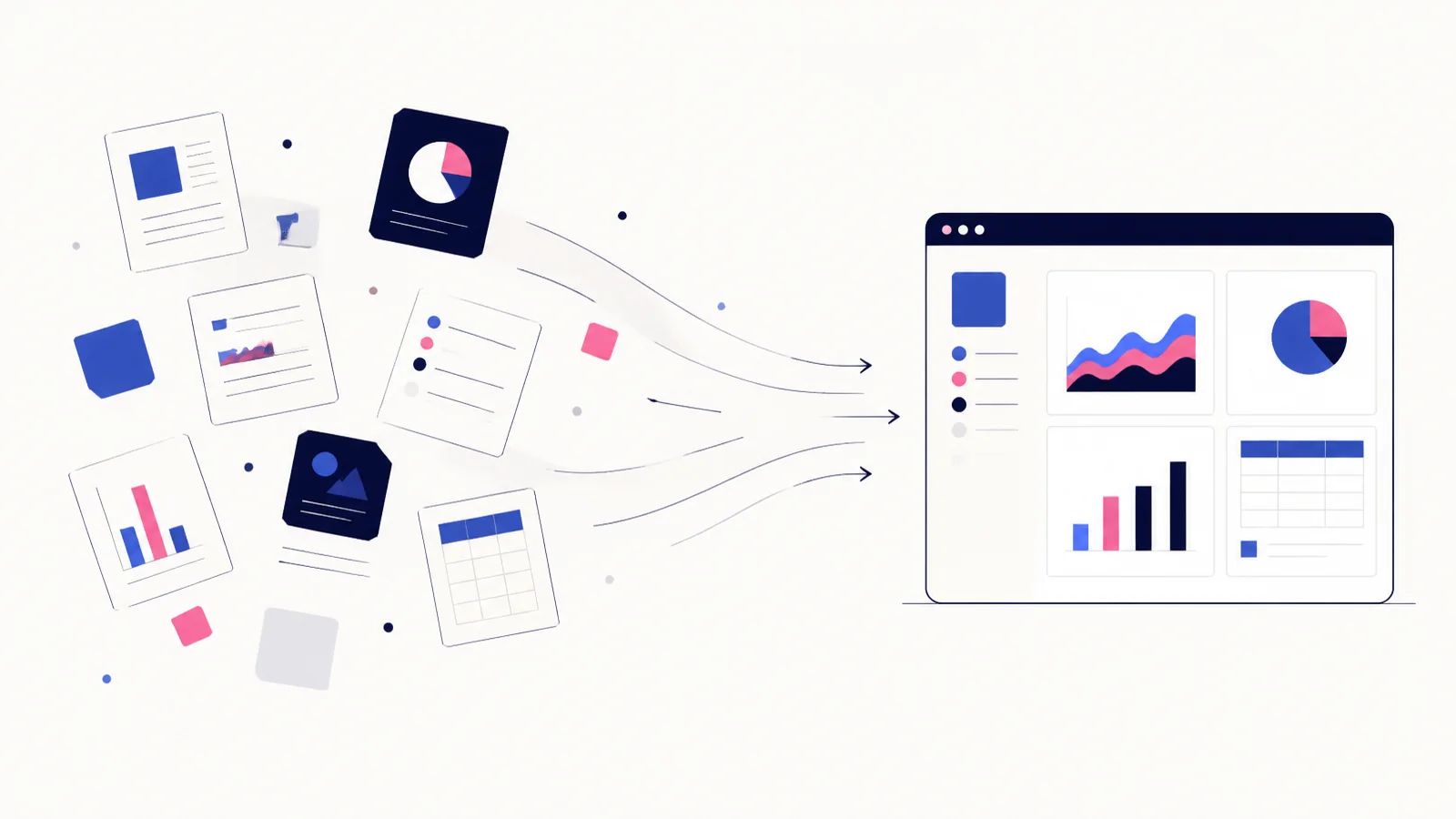
McKinsey has started shifting from static documents to a living web hub. What the reporting reveals about the real change — and a practical way to bring it into your own company with Lovable.